Dream: A Versatile Graphics and Crafts Asset for Modern Branding
In my years as a brand designer and content marketer, I have learned that the difference between a forgettable campaign and a memorable one often lies in the smallest details. Recently, I was evaluating a specific graphic design asset called Dream for a potential client launching a new line of handmade lifestyle products. The goal was to create a cohesive visual identity that felt both premium and approachable across various touchpoints. After testing Dream in several mockups, I can confidently say this is more than just a simple illustration; it is a strategic tool that elevates small business branding when used correctly.
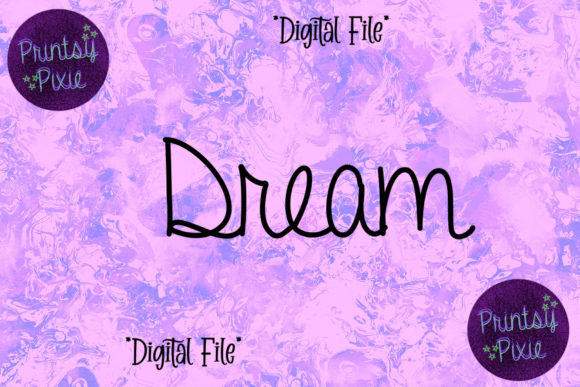
The first impression of Dream is one of fluidity and aspiration. It creates a mood that is soft yet structured, perfect for brands that want to communicate creativity without sacrificing professionalism. When I placed this asset on a digital ad for a seasonal offer, it immediately drew the eye. Unlike generic clipart that often feels cheap or cluttered, Dream offers a sense of intentionality. It suggests a narrative of possibility, which is exactly what audiences need to feel before they click "buy." Whether you are building a content kit for Pinterest pins or designing packaging inserts for a boutique shop, this asset provides an emotional anchor that helps build audience trust.
Integrating Dream into Real-World Marketing Campaigns
To understand the true value of this design, let us look at a real-world scenario. Imagine a small business owner preparing for a product launch. They need to refresh their social media visuals, create a lead magnet for email subscribers, and design a digital banner for their website. In this workflow, consistency is key. If the imagery looks disjointed, the brand loses credibility. This is where Dream shines as a versatile graphics element.
I tested the asset within a Canva template designed for Instagram posts. The way it interacted with negative space allowed the headline text to breathe while still providing a decorative accent. It worked equally well as a hero graphic for a blog post about creative entrepreneurship. Because the file includes high-quality formats like SVG and PNG, it scaled perfectly from a mobile screen advertisement to a large promotional poster. The transparency of the image file meant there were no awkward white boxes surrounding the design, allowing it to blend seamlessly into any background color or texture.
Expanding Your Visual Hierarchy and Brand Identity
A strong brand identity relies on clear visual hierarchy. You must guide your audience's eye to the most important information without overwhelming them. Dream supports this by acting as a subtle frame or a focal point that directs attention. For instance, when used in editorial design or media kits, it adds a layer of sophistication that makes the content feel curated rather than assembled. It transforms a standard layout into a professional branding experience.
This asset is particularly effective for:
- Social Media Graphics: Use it to break up long captions or highlight key quotes in your feed.
- Packaging Design: Incorporate it into product labels or stickers to give items a unique, handcrafted feel.
- Digital Ads: Utilize it in Facebook ads or Google display campaigns to increase click-through rates through better engagement.
- Web Design: Place it in website headers or as a decorative element in footer sections to reinforce brand recognition.
Where This Graphic Design Asset Fits Best
The versatility of Dream allows it to serve multiple functions within a single marketing strategy. It is ideal for campaign headers that set the tone for a new season or product line. If you are a digital seller creating printable promotions, this asset can act as a border or a central motif that ties the entire bundle together. For event flyers or posters, it adds a touch of elegance that appeals to a wider demographic, moving beyond niche aesthetics to broader commercial appeal.
Furthermore, its compatibility with popular design software means you can integrate it into existing workflows effortlessly. Whether you are using Cricut Design Space for physical merchandise like t-shirts and mugs, or Silhouette Studio for custom decals, the precision of the vector file ensures crisp edges every time. This flexibility makes it a valuable addition to any creative marketplace inventory or personal design library.
Strategic Considerations and Limitations
While Dream is powerful, a professional designer knows that not every asset fits every context. There are specific scenarios where this design should be used with caution. For formal corporate branding that requires strict minimalism, the organic nature of Dream might feel too whimsical. Similarly, in dense information layouts where data visualization is the priority, this graphic could compete with the main message rather than support it.
You must also consider the size of the application. On very small mobile graphics, intricate details may get lost if the resolution is not optimized. Additionally, if your brand already uses highly complex patterns, adding another decorative element could result in visual noise. Always ensure the asset does not clash with your primary call-to-action buttons or essential text. The goal is enhancement, not distraction.
Essential Notes for Professional Implementation
Before deploying Dream in a paid campaign or client work, there are critical steps to take to ensure success. First, test the asset against your brand color palette. Does it harmonize with your primary and secondary colors, or does it fight for attention? Check how it performs in black and white, as many print materials will require monochrome versions. Placing it inside real campaign mockups is the best way to gauge its impact before finalizing the design.
Typography pairing is another crucial factor. I recommend testing Dream with different font styles to see what creates the best balance. A clean sans-serif font might modernize the look, while a script or handwritten font could amplify the artistic vibe. Conversely, a bold display font might provide the necessary contrast to make the text pop against the graphic. Review the spacing and balance carefully; the asset should feel integrated, not pasted on.
Finally, always confirm the commercial license. As a content marketer, I cannot stress enough the importance of understanding usage rights. Ensure you have permission to use this design asset in commercial design projects, especially if you are selling products that feature the image or running paid advertisements. With the right preparation, Dream becomes more than just a file; it becomes a cornerstone of your visual storytelling.
Ultimately, Dream represents a thoughtful choice for anyone looking to elevate their visual content. By combining technical compatibility with aesthetic appeal, it supports the creation of marketing visuals that resonate with audiences. Whether you are a blogger, an online coach, or a creative entrepreneur, integrating this graphic into your strategy can lead to stronger recognition and a more memorable campaign. It proves that even a single design element, when chosen with care, can significantly impact the perception of your brand.