Sativa: A Designer's Real-World Embroidery Review
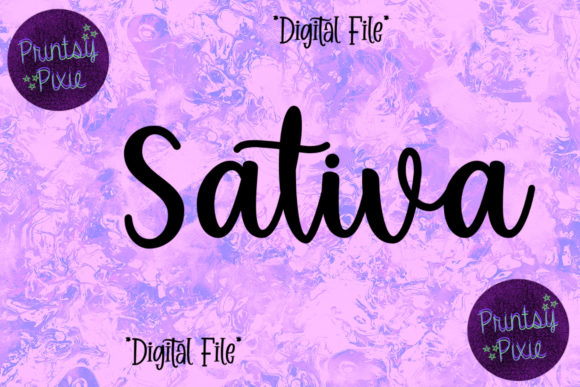
When I first opened the Sativa design file, my immediate reaction wasn't about the technical specs or the file formats. It was about the vibe. As someone who has spent years stitching custom apparel for clients and curating products for my own Etsy shop, I know that a successful embroidery design starts with an emotional connection before it ever touches the needle. Sativa brings a distinct, organic energy to the table. It feels less like a generic clip art and more like a piece of botanical art waiting to be brought to life on fabric.
The visual personality of this design is bold yet refined. The shapes are fluid, suggesting movement and growth, which makes it incredibly versatile for various Crafts and Graphics projects. Whether you are a hobbyist looking to make a unique gift or a small business owner preparing a seasonal collection, Sativa offers a level of sophistication that elevates the perceived value of your finished product. But does it hold up under the pressure of real-world machine embroidery? Let's dig into how this design performs when we move from the screen to the hoop.
From Digital File to Finished Product
One of the most critical steps in my workflow is visualizing how a flat SVG or transparent image translates into three-dimensional thread work. Sativa excels here because of its balanced layout. The spacing between elements suggests a thoughtful approach to stitch density. When I imagine this stitched onto a heavyweight canvas tote bag, the lines would pop with clarity, creating a striking contrast against the natural fiber texture. The design avoids the cluttered look that often plagues digital graphics converted for embroidery.
I recently considered using Sativa for a holiday gift project—a set of personalized kitchen towels for a boutique client. My initial thought was that the organic curves might get lost on a dark fabric, but the strong outlines provide enough definition to ensure legibility even on deeper tones. For a commercial embroidery project like this, where consistency is key, the design's structure holds up well. It doesn't rely on tiny, delicate details that could snag or break during the washing process. Instead, it uses substantial fill areas that will lay down smoothly, giving the final product a professional, high-end finish.
However, the success of Sativa depends heavily on your execution. If you are planning to use this as an embroidered patch for a cap, you need to consider the curvature of the surface. Sativa works beautifully on flat surfaces like aprons or pillow covers, but on curved items, the aspect ratio can sometimes shift if not adjusted properly in your software. The design is compatible with many design softwares such as Cricut Design Space and Silhouette, which gives you flexibility, but always verify the scaling before you start stitching.
Where Sativa Shines in Your Craft Business
For the creative entrepreneur, knowing where to place a design is just as important as the design itself. Sativa is particularly effective for custom apparel that aims for a bohemian or nature-inspired aesthetic. Think of a lightweight sweatshirt for a yoga studio retreat or a baby onesie for a nursery-themed boutique. The gentle curves of the design convey softness and care, which resonates strongly with customers buying gifts for loved ones.
In the realm of handmade products, Sativa adds a layer of exclusivity. When you list a tote bag design featuring this motif, it stands out against the sea of generic floral patterns often found on marketplaces. Customers are drawn to designs that feel intentional. The clean lines of Sativa suggest a modern sensibility, making it perfect for small shop product branding. You could easily adapt this into a logo element for a brand that sells organic goods or artisanal supplies.
Furthermore, the design's versatility extends to holiday embroidery. While it isn't explicitly tied to a specific season, its natural theme fits perfectly with spring and summer collections. Imagine a series of tea towels or napkins featuring Sativa for a Mother's Day promotion. The design allows for creativity in thread colors; you could use earthy greens and browns for a rustic look or bright neons for a pop-art style statement. This adaptability is crucial for Etsy sellers who need to refresh their inventory without constantly searching for new assets.
Navigating Technical Challenges and Limitations
No design is without its challenges, and being honest about potential pitfalls is part of responsible reviewing. While Sativa is robust, there are scenarios where it requires extra caution. If you are working with thin, stretchy fabrics like jersey knits, you must be vigilant about stabilizer usage. The density of the fills in Sativa could cause puckering if the backing isn't sufficient. Always test the design on scrap fabric first to gauge the tension and stability requirements.
Another area to watch is the hoop size. If you are attempting to fit Sativa into a very small hoop, such as one used for jewelry or miniature accessories, the details might become too compressed. The running stitches and satin sections may merge together, losing the crisp definition that makes the design appealing. In these cases, simplifying the design or choosing a larger garment area is necessary to maintain quality.
Texture also plays a significant role. On highly textured fabrics like bouclé or heavy fleece, the fine details of the design might disappear into the weave. Sativa relies on clear lines to communicate its shape, so it pairs best with smooth to medium-texture fabrics. If you are working with dark fabric, ensure you have high-contrast thread colors available. A dark green design on a black background might lack the visibility needed for a commercial product.
Practical Notes for the Embroidery Designer
Before you commit Sativa to a full production run, there are several technical checks you should perform. First, review the stitch density. While the file provides the geometry, your machine settings determine the final look. Check whether the design works for both personal and commercial projects by confirming the licensing terms provided with the download. This is vital for digital product sellers and those reselling finished items.
Inspect small details closely. Sometimes, files labeled as compatible with various softwares may require minor adjustments in pathing or node placement to ensure smooth stitching. Use proper stabilizer for the specific fabric you are using; this is non-negotiable for preventing distortion. Also, test it in black and white mockups to see if the composition holds up without the distraction of color. This helps you focus purely on the balance and flow of the design.
Finally, compare light and dark fabric backgrounds to ensure your thread choices maximize the impact of Sativa. The goal is to create a finished product that looks polished and intentional. By paying attention to these details, you ensure that the design enhances your brand rather than detracting from it. Whether you are creating a personalized gift for a friend or mass-producing merchandise for a craft fair, Sativa offers a solid foundation for your next embroidery project.
In conclusion, Sativa is more than just a pretty graphic; it is a functional tool for designers who understand the nuances of thread and fabric. Its organic charm and structural integrity make it a valuable addition to any library of design assets. With careful preparation and an eye for detail, this design can help you create standout pieces that customers will love and remember.