Spooky Halloween Theme: A Designer's Real-World Review
When I first opened the folder for Spooky Halloween Theme, my immediate reaction was a mix of excitement and caution. As someone who has spent years stitching out designs for clients, craft fairs, and personal projects, I know that a pretty image on a screen does not always translate to a beautiful finished product. This design falls squarely into the Crafts and Graphics categories, but its true potential lies in how it handles the physical reality of embroidery.
The mood is undeniably festive. The layout feels balanced, capturing that classic spooky aesthetic without leaning too heavily into gore or chaos. It screams "handmade holiday," which is exactly what customers are looking for when they want something unique for their home or wardrobe. However, before you rush to your machine, let's look at how this design actually performs when moving from digital file to fabric.
First Impressions and Visual Personality
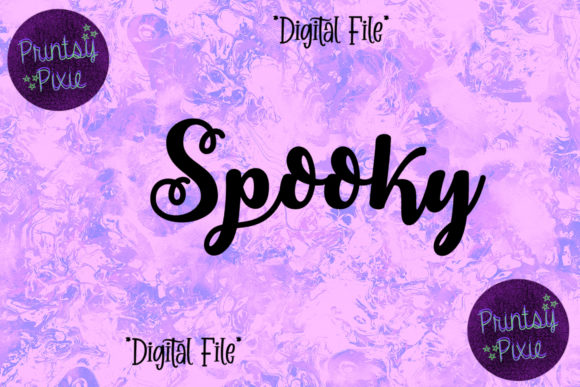
The Spooky Halloween Theme exudes a playful yet mysterious energy. In terms of shape and detail, it seems designed to catch the eye without overwhelming the viewer. For a designer, the initial question is always about scalability. Does the core motif hold up if we need to shrink it for a baby onesie? Can it expand to fill a large tote bag without losing definition?
Visually, the design suggests a strong personality. It isn't just a generic pumpkin; it has character. This kind of visual appeal is crucial for commercial embroidery projects where brand consistency matters. If you are an Etsy seller creating a line of holiday gifts, having a cohesive look across different products builds trust with buyers. The design feels like it belongs on items that celebrate the season with a touch of whimsy rather than fear.
Real-Life Application: From Screen to Stitch
Let's talk about a specific scenario. Imagine you are preparing for the fall season and have orders coming in for custom embroidered sweatshirts and tote bags. You pull up the Spooky Halloween Theme file, ready to stitch. How does it behave in this high-stakes environment?
For sweatshirt embroidery, this design would likely shine. The heavier fabric provides a stable base, allowing the stitches to sit proud and defined. The contrast between the thread and the dark fabric of a black hoodie would make the design pop, creating a professional finish that customers expect. Similarly, for a tote bag design, the sturdy canvas material can handle the density required by this graphic, ensuring the image remains crisp even after multiple uses.
However, consider a more delicate application, such as baby embroidery. If you plan to use this on a soft cotton onesie, you must be mindful of the stitch density. Babies' skin is sensitive, and heavy stitching can cause discomfort. In this case, the design might need adjustments to ensure it is soft to the touch while still maintaining its visual appeal.
I also see this design fitting perfectly into holiday embroidery projects like pillow covers or kitchen towels. These items are often washed frequently, so the durability of the stitches becomes paramount. The Spooky Halloween Theme appears robust enough to withstand the rigors of a washing machine, provided it is stitched correctly.
Where to Exercise Caution
While the design is versatile, there are specific situations where it requires careful handling. One of the biggest challenges in machine embroidery design is working with small hoop sizes. If you attempt to stitch this on a tiny patch or a curved surface like a cap, the details might get lost. Curved surfaces demand a different approach, and if the design includes intricate corners or tiny lettering, they may not register clearly on a ballpoint cap.
Textured fabrics present another hurdle. If you are working with a thick fleece or a loosely woven linen, the stabilizer choice becomes critical. Without proper support, the stitch density could cause the fabric to pucker, ruining the clean lines of the Spooky Halloween Theme. Thin or stretchy fabrics are equally tricky; they require a light hand and potentially a cut-away stabilizer to prevent distortion.
Dense stitch areas should also be scrutinized. If the design relies heavily on fill stitch to create solid blocks of color, ensure your machine can handle the tension. Overloading a small area can lead to thread breaks or uneven coverage. Additionally, if you are using dark fabric, the thread colors must be chosen carefully to ensure sufficient contrast. A dark background might swallow up subtle details unless you select bright, opaque threads.
Impact on Product Value and Brand Perception
The quality of your embroidery directly influences customer trust and perceived value. A well-executed Spooky Halloween Theme on a handmade product signals professionalism. It tells the buyer that you care about the details and that the item is worth the price tag. Conversely, a sloppy execution—where threads are loose or the design is misaligned—can damage your reputation as a small shop product creator.
For Etsy sellers and creative entrepreneurs, the ability to produce consistent, high-quality items is key to standing out. When a customer sees a beautifully stitched design on a personalized gift, they are more likely to return for future purchases. The design acts as a signature of your craftsmanship. Furthermore, a clear, recognizable design enhances the giftability of your items. People love giving presents that look thoughtfully made, and a spooky theme is perfect for seasonal gifting.
In terms of brand consistency, this design offers a distinct look that can be repeated across various items, from aprons to blankets. This repetition helps build a recognizable identity for your craft business. Whether you are creating design assets for mockups or selling finished goods, the visual strength of the theme supports a cohesive brand narrative.
Practical Notes for the Embroidery Designer
Before you commit to a full production run, follow these essential steps to ensure success:
- Test on Scrap Fabric: Always run a test stitch on a piece of scrap fabric that matches your final project material. This reveals any issues with tension, puckering, or color balance.
- Check Thread Color Contrast: Evaluate how the thread colors interact with your fabric. Ensure the design stands out and doesn't blend in unintentionally.
- Review Stitch Density: Inspect the design files for dense areas. If necessary, adjust the settings in your software to reduce density for better results on delicate fabrics.
- Confirm Hoop Size: Make sure your hoop size accommodates the design dimensions without cutting off important elements.
- Inspect Small Details: Zoom in on the smallest parts of the design to ensure they will stitch out clearly. Tiny details often get lost in translation.
- Use Proper Stabilizer: Select the right stabilizer for your fabric type. A wrong choice can lead to a failed project regardless of the design's quality.
- Verify Licensing: Crucially, confirm whether the license allows for commercial use. If you intend to sell finished items featuring the Spooky Halloween Theme, you must have the rights to do so.
Remember that the files included, such as the SVG and Transparent Image File, are compatible with many design softwares like Cricut Design Space and Silhouette Studio, but compatibility with embroidery machines depends on the specific conversion process. If you are unsure about the exact stitch count or file formats required for your specific machine, check those details before starting.
Ultimately, the Spooky Halloween Theme is a strong contender for your next embroidery project. With the right preparation and attention to detail, it can elevate your handmade products from simple crafts to premium, desirable items. Whether you are making a custom apparel piece for a client or a batch of holiday gifts for your online store, this design offers the flexibility and charm needed to succeed in today's competitive market.