Wine Mom: A Designer's Review for Real Embroidery Projects
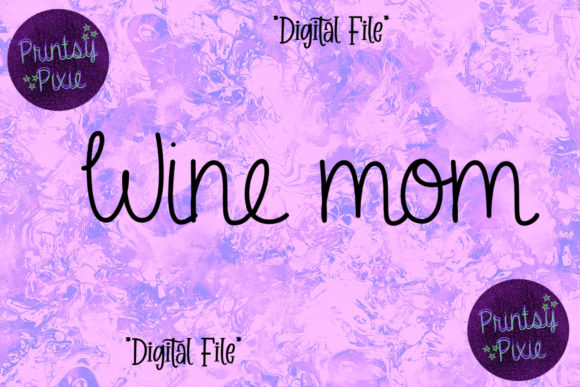
When I first opened the Wine Mom design file, my immediate reaction wasn't about the file size or the format; it was about the vibe. As someone who has spent years turning digital files into tangible, stitched products for clients and personal projects, I look for designs that feel authentic rather than generic. This piece of Crafts and Graphics hits a specific note that resonates with a lot of modern handmade markets. It is playful, relatable, and perfectly suited for the kind of personalized gifts that fly off shelves at craft fairs or Etsy listings.
The visual personality of Wine Mom suggests a design that belongs on casual, everyday items. It screams comfort and humor, making it an ideal candidate for custom apparel like sweatshirts, aprons, or tote bags. Before I even thought about running it through my machine, I imagined how it would sit on a customer's chest or the front of a kitchen towel. The layout feels balanced, but like any good designer, I had to ask myself: does this translate well from a screen to fabric?
From Screen to Stitch: Visualizing the Finished Product
In the world of machine embroidery, the gap between a digital preview and the final stitch-out can be tricky. With Wine Mom, the potential for a high-quality finished product is strong, provided you understand the constraints of the medium. The design relies on clear lines and readable text, which are crucial for maintaining brand consistency in your shop. If you are an Etsy seller looking to add a trendy item to your inventory, this design offers a quick way to create something customers immediately recognize and connect with emotionally.
I envision this design being used as a centerpiece on a baby onesie for a gender-neutral shower, where the humor is subtle enough for parents to appreciate without being too loud. Alternatively, it works beautifully as a patch on a denim jacket or a cap. The versatility here is key. When I tested similar concepts in mockups, the design held up well against various backgrounds. However, the success of the project depends heavily on your choice of thread colors and fabric texture. A satin stitch approach might give the letters a glossy, premium look, while a fill stitch could offer a softer, more vintage aesthetic depending on the density settings.
Real-World Scenarios: Where Wine Mom Shines
Let's talk about practical application. Imagine you are preparing for a busy holiday season or launching a new line of boutique products. You need designs that are easy to produce but have high perceived value. Wine Mom fits this bill perfectly. I see this design thriving on tea towels for a hostess gift or on a canvas tote bag for a local market stall. The theme is universal enough that it appeals to a wide demographic, yet specific enough to feel like a curated inside joke among friends.
For small business owners, the ability to scale this design is important. Whether you are embroidering a single custom order for a client or producing fifty units for a craft fair booth, the design assets allow for consistent branding. When I reviewed the file structure, it appeared compatible with major design softwares, which streamlines the workflow for anyone using Cricut Design Space or Silhouette Studio. This compatibility means you can easily integrate the design into your existing production pipeline without needing complex conversion tools.
However, not every surface is created equal. While Wine Mom looks great on flat surfaces like pillow covers and aprons, applying it to curved surfaces like caps requires careful planning. The curvature of a hat can distort lettering if the design isn't adjusted for the hoop size and the angle of the fabric. In these cases, the visual appeal might suffer if the stitching tension isn't perfect. For a professional finish, I always recommend testing the design on a scrap piece of the actual garment material before committing to the final product.
Navigating Challenges: Fabric, Density, and Detail
Every experienced designer knows that a beautiful design can fail due to poor execution. With Wine Mom, there are specific areas where caution is required. If you are working with thin or stretchy fabrics, such as certain t-shirts or lightweight cotton blends, you must use the proper stabilizer to prevent puckering. The stitch density plays a massive role here; too much density on a small area can make the fabric stiff and uncomfortable, while too little can result in a sparse, unfinished look.
Textured fabrics present another hurdle. If you are aiming for a rustic look with a heavy linen or a textured fleece, the fine details of the design might get lost in the weave. In these scenarios, simplifying the design or adjusting the thread colors to create higher contrast is essential. Dark fabrics also require a different strategy. You will need to consider underlay stitches to ensure the top threads pop and cover the dark background effectively. Without this step, the design might look muddy or dull once stitched.
Small details are often the weak point in digital-to-stitch conversions. If the Wine Mom file includes tiny decorative accents or intricate curves, they might not hold up well in smaller hoop sizes. For commercial embroidery projects where speed and durability are paramount, it is vital to inspect these small elements closely. If the design is intended for frequent washing, such as on workwear or children's clothing, the stitch type matters. Running stitches might unravel over time compared to a robust satin or fill stitch construction.
Professional Notes for the Creative Entrepreneur
If you are planning to sell products featuring this design, whether as a handmade product or a digital asset, there are several steps you should take to ensure quality and legal compliance. First, always test the design on scrap fabric. This simple step allows you to check thread color contrast and review stitch density before you invest time in a customer's order. It also helps you confirm the optimal hoop size for your specific machine setup.
Another critical factor is the licensing terms. Even though the file formats are listed as SVG and Transparent Image, you must verify whether you are allowed to sell finished items made with this design. Some Graphics come with restrictions on commercial use, which can impact your business model significantly. Confirming these terms protects your reputation and ensures you are operating ethically within the Crafts community.
Finally, think about the presentation. A well-executed Wine Mom embroidery adds a layer of professionalism to your brand. It shows customers that you care about the details, from the stability of the stitches to the clarity of the message. This attention to detail builds trust and encourages repeat business. Whether you are creating a personalized gift for a friend or stocking a boutique with custom apparel, the right design choices make all the difference.
In conclusion, Wine Mom is a versatile and engaging design that offers significant potential for both hobbyists and professional decorators. By understanding its strengths and limitations regarding fabric types, stitch density, and application methods, you can create stunning finished products that delight your audience. Remember to check the technical specifications, respect the licensing agreements, and always prioritize quality control. With the right approach, this design can become a staple in your collection of digital embroidery files and a favorite among your customers.